Customized Memory Care Programs for Seniors
Customized memory care services for seniors are proving more vital in confronting unique memory issues. These offerings prioritize bespoke care plans that acknowledge distinct histories and inclinations. By stimulating engagement through specialized activities, they aim to elevate overall life experience. Grasping the key aspects of these services can assist families in making informed decisions. What factors should be weighed when choosing the right suitable memory support program?
What You Must Be Aware Of About Personalized Memory Care Solutions
When reviewing memory care services, it is critical to recognize how customized approaches can significantly improve the quality of life for seniors facing mental decline. Customized memory care offerings are designed to meet the unique needs of each individual, recognizing that cognitive decline affects people in various ways. These services typically include individualized activities and schedules that align with a senior's interests, capabilities, and preferences, thereby promoting involvement and a feeling of direction.
Additionally, personnel educated in specialized memory care techniques can provide support that honors the independence and respect of each client. This personalized care helps in reducing confusion and anxiety, which are prevalent in those with memory impairments. Furthermore, loved ones' participation is encouraged, ensuring a comprehensive strategy to care. Ultimately, customized dementia support programs aim to create an environment where seniors can flourish, fostering both emotional well-being and mental stimulation.
Rewards of Personalized Health Plans for Memory Difficulties
Tailored wellness plans are vital in confronting the specialized memory challenges that seniors experience. These individualized strategies are crafted to satisfy distinct requirements, ensuring that care corresponds with the specific mental and psychological demands of any senior. By zeroing in on background experiences, preferences, and capabilities, such plans nurture a sensation of recognition and contentment, which can relieve anxiety often stemming from memory loss.
Moreover, personalized care plans enhance participation by incorporating programs that connect with the seniors' interests, promoting cognitive engagement and social interaction. This individualized approach can lead to better mental performance and a higher standard of living. Additionally, care providers equipped with detailed insights about the senior's preferences can deliver more empathetic and quality assistance, reducing feelings of frustration for both parties. Ultimately, personalized care plans strengthen seniors, enabling them to navigate their memory challenges with dignity and assurance.
Established Approaches for Tailored Memory Care Programs
Creating best practices for bespoke memory care programs requires a broad understanding of each senior's unique needs and preferences. Care providers should highlight detailed reviews that explore cognitive abilities, physical health, and emotional well-being. This basic understanding enables the advancement of individualized care blueprints that effectively address specific challenges.
Ongoing staff training is vital, ensuring caregivers are prepared with the most recent approaches in memory care. Working together with families fosters a encouraging atmosphere, permitting care workers to weave in individual memories and choices into daily routines. Using technology, including monitoring devices and communication tools, can enhance protection and engagement.
In addition, versatility in care plans is crucial; modifications should be implemented as seniors' conditions change. Consistent assessment of care performance through input and observation guarantees perpetual improvement. By following these proven methods, memory care programs can deliver a caring and responsive environment that encourages dignity and quality of life for seniors.
Activities That Optimize Quality of Life in Memory Care
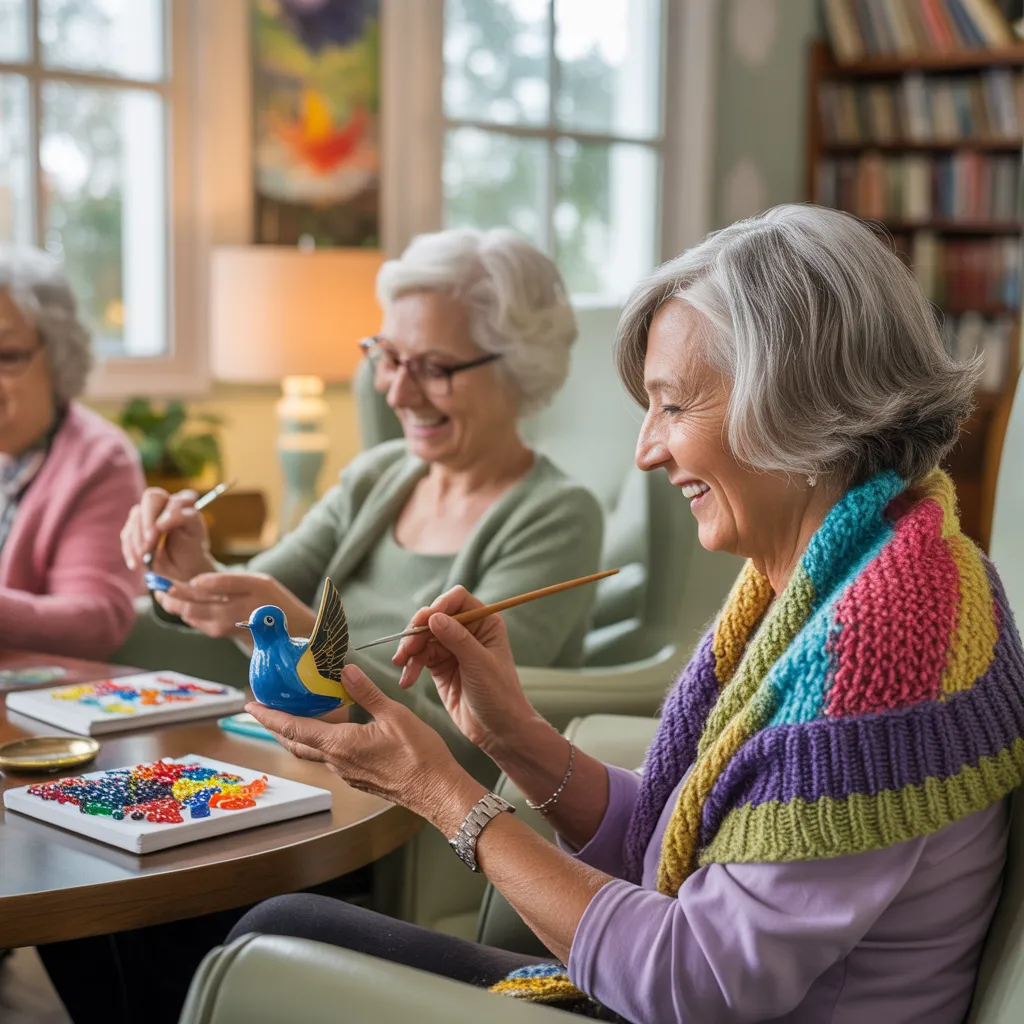
Personalized memory care services not only concentrate on individualized care plans but also stress the importance of engaging activities that improve the standard of living for older adults. These activities are designed to activate cognitive function while encouraging interpersonal engagement and mental health. Art therapy, musical activities, and gardening can offer artistic opportunities, enabling residents to express themselves and engage with their environment.
Structured reminiscence therapy invites seniors to share past experiences, creating a sense of meaning and self. Physical endeavors, such as gentle exercises or dance, help maintain movement and improve emotional well-being. Additionally, sensory experiences—like cooking or pet therapy—can spark positive emotions and heighten sensory perception.
Finding the Optimal Memory Care Service for Your Family Circle
How can families guarantee they select the most suitable memory care provider for their family members? The choice starts with comprehensive investigation. Relatives should evaluate the particular requirements of their loved ones, considering elements such as the nature and level of memory decline. Visiting potential facilities allows families to observe the environment, staff engagement, and available resources.
Staff qualifications and accreditation are vital signs of excellence. Families should ask regarding staff-to-resident ratios and education provided to caregivers. Additionally, it is crucial to evaluate the variety of programs and treatments offered, as these can significantly affect residents' quality of life.
In conclusion, families should seek out reviews and testimonials from other families to collect direct insights. By weighing individual requirements with professional recommendations, parents can make informed choices that guarantee their family members get the see the full story personalized and caring support they deserve.
Popular Inquiries Asked Often
How Can I Determine My Loved One's Unique Dementia Care Needs?
To evaluate specific cognitive support needs, one should track behavioral shifts, communication abilities, daily activity performance, and emotional well-being. Engaging healthcare professionals for assessments and obtaining feedback from caregivers can enhance clarity on those requirements.
What Skills Should Exist for Care Workers in Memory Care Facilities?
Employees in memory care facilities should obtain suitable certifications, dementia-specific training, competent interpersonal abilities, empathy, and knowledge. Furthermore, they should demonstrate patience and responsiveness to successfully provide services meeting the varied needs of residents.
Are Specialized Memory Care Services Protected by Insurance?
Insurance protection for tailored memory care services differs significantly among providers. Many plans may partially cover expenses, but it's essential for individuals to confirm details with their insurance company to comprehend their coverage and limitations.
How Often Are Care Plans Reviewed and Modified?
Care plans are regularly assessed and modified, often twice yearly or every quarter. This guarantees that the evolving requirements of individuals are properly addressed, facilitating modifications in care strategies and interventions as necessary.
What Items Do I Pay Attention to Throughout a Site Showing?
When taking a facility tour, one should observe hygiene, staff interactions, resident engagement, security protocols, available amenities, and overall atmosphere. Additionally, evaluating the facility's approach to individualized treatment and community engagement is essential for informed choices.